Camille notices a slight trace of blood in her underwear, even though her period isn’t due for another week. Over the following days, small bleeds appear, painless but uncomfortable, leaving her with a persistent question: “Is this normal?” She hesitates to mention it, thinking it’s “nothing”, but a small inner voice worries: what if this is a sign of a problem?
So, how can you tell the difference between simple spotting and bleeding that requires medical attention?
Hello, Dr Joy here!
In this article, Dr Joy explains when these mid-cycle bleeds are common and reassuring, which signs should raise concern, and how our doctors can help you understand your cycle and regain peace of mind.
What does it mean ?
We talk about bleeding outside of periods (metrorrhagia, spotting, intermenstrual bleeding) when blood loss occurs outside the “normal” menstrual period, meaning before, after, or between two cycles.
These losses can be very light (a few brownish drops) or more abundant, either occasional or repeated over several cycles.
It is serious ?
“Abnormal” does not always mean “serious”!
It is true that many bleeding episodes between periods are harmless: ovulation, hormonal fluctuations, side effects of birth control pills or IUDs, early pregnancy, significant stress, etc.
However, they can sometimes reveal a more serious problem: ectopic pregnancy, miscarriage, fibroids, polyps, sexually transmitted infections (such as chlamydia), endometriosis, blood clotting disorders, or more rarely, gynaecological cancer.
The severity therefore depends on several factors: the amount of bleeding, frequency, age, possibility of pregnancy, and associated symptoms.
Common causes (often benign)
Among the most frequent and usually harmless causes, we find:
- Hormonal fluctuations, especially around ovulation, which can cause slight spotting in the middle of the cycle.
- Spotting is a very light blood loss that looks like a small stain or light streak and does not require protection. Starting or changing contraception (new pill, missed pill, hormonal or copper IUD) which can cause irregular bleeding during the first few months.
- Early pregnancy (embryo implantation) which can cause light bleeding, sometimes mistaken for very light periods.
- Minor local trauma (sexual intercourse, friction, vaginal dryness) which can make the mucous membrane more fragile.
In all these cases, the losses are generally light, short in duration, and without warning signs.
When should you go to emergency care?
Emergency – seek help immediately
Contact emergency services or a gynaecology department if:
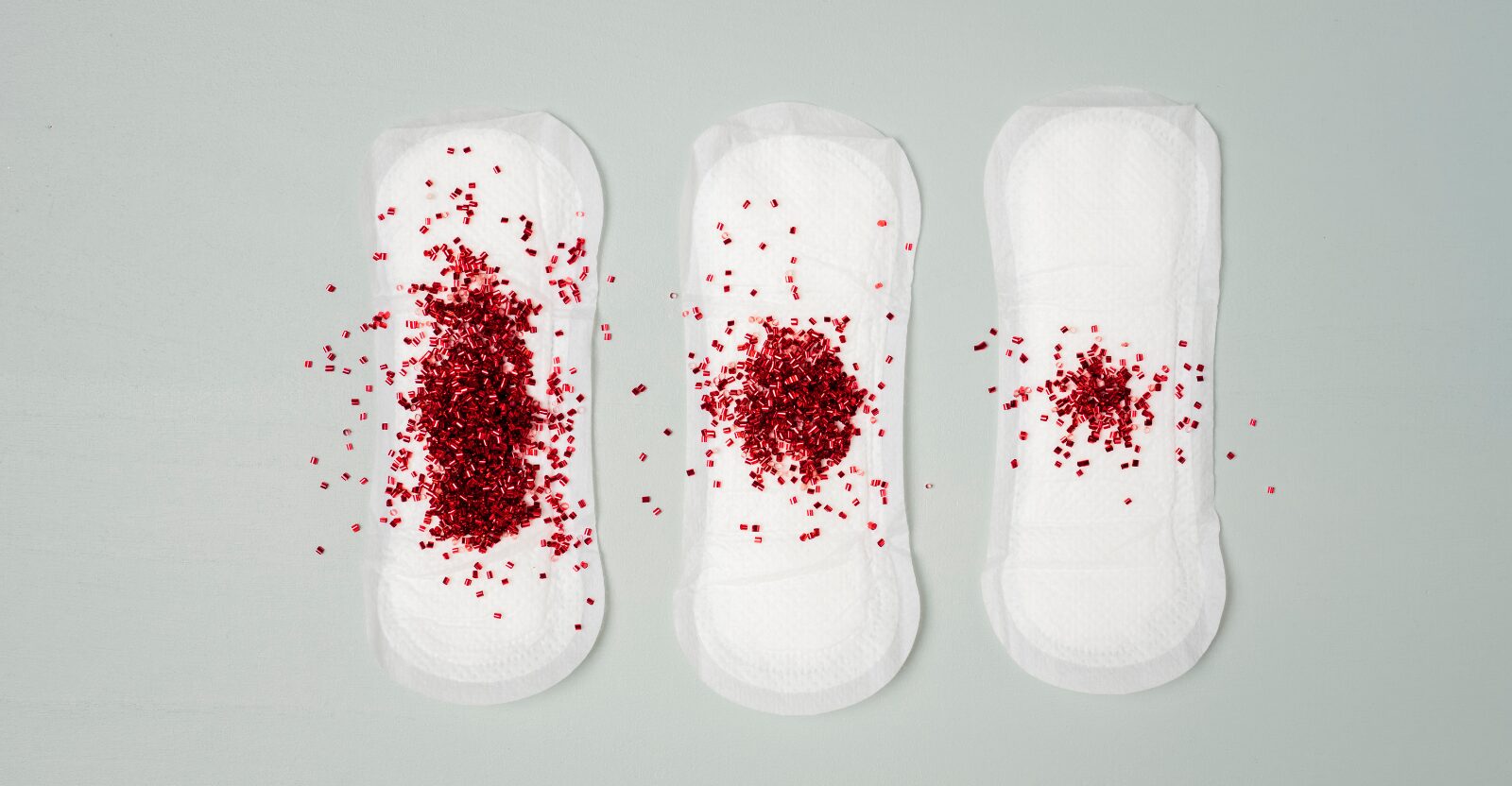
- Bleeding is very heavy (pad soaked in <1h, large clots) or does not stop.
- Severe lower abdominal pain, especially on one side, or sudden pain with feeling unwell, dizziness, weakness.
- Pregnancy is possible (unprotected sex, late period, positive test).
- Bleeding occurs after menopause, even in small amounts.
Rapid appointment – not life-threatening, but important
See your GP or gynaecologist if:
- Bleeding is moderate but recurring over several cycles.
- Bleeding after sexual intercourse.
- Associated symptoms: unusual discharge, odour, itching, pelvic pain, fatigue, shortness of breath.
- With an IUD, bleeding becomes more frequent or heavier.
What the doctor may do: gynaecological exam, pregnancy test, blood tests, smear, STI screening, pelvic ultrasound.
How can Dr Joy help you?
At Alegria Medical Centre, our goal is to support you without dramatizing, but also without minimizing these symptoms. During a consultation for bleeding outside of periods, the medical team can:
- Ask you detailed questions about your cycle, contraception, medical history, and circumstances of the bleeding.
- Perform ,if necessary, a clinical examination and,prescribe additional tests to identify the cause and propose personalized treatment, or simply reassure you if everything is normal.
In practice, what should you do if this happens to you?
- Note the date, duration, amount of bleeding, color, possible pain, recent sexual intercourse, missed pill, or delayed period.
- Take a pregnancy test if you are of childbearing age and pregnancy is possible.
- Contact Alegria Medical Centre to know whether a quick consultation is necessary, or whether emergency advice is required depending on your symptoms.
If you experience bleeding outside of your period, it is not necessarily a sign of serious illness, but it is always a message from your body worth listening to. It is better to talk about it, check with a professional, and leave reassured rather than staying in doubt.
Take care of yourselves, and learn to know your body, it will thank you!
See you soon !
Dr Joy
Book your appointment!This information is not a substitute for medical advice. You must seek the advice of your doctor or another qualified health professional with any questions you may have regarding your health condition.
Sources: