Cholesterol is often described as a silent threat to health. However, the reality is more nuanced. At Alegria Medical Centre, we believe that the key to good health lies in understanding your body. Here is what you need to know to separate fact from fiction.
I – What is cholesterol?
Contrary to popular belief, cholesterol is not a poison. It is a waxy, fatty substance that is essential for life. It is so vital that your body (mainly the liver) produces around 75% of it, while the remaining 25% comes from your diet, particularly from animal-based products.
It performs several major biological functions:
- Cell structure: It is an essential component of the membranes of all our cells.
- Hormones and vitamins: It serves as a raw material for the production of sex hormones (such as testosterone and oestrogen), adrenal hormones (cortisol), and for the synthesis of vitamin D.
- Digestion: It is necessary for the production of bile acids, which help digest fats.
The problem is therefore not the presence of cholesterol, but an excess of it in the bloodstream.
II – The “Good” and the “Bad”: A matter of transport
As cholesterol is a fat, it does not mix with water (and therefore with blood). To circulate, it must be carried by “vehicles” called lipoproteins. It is this transport system that defines the two well-known types of cholesterol:
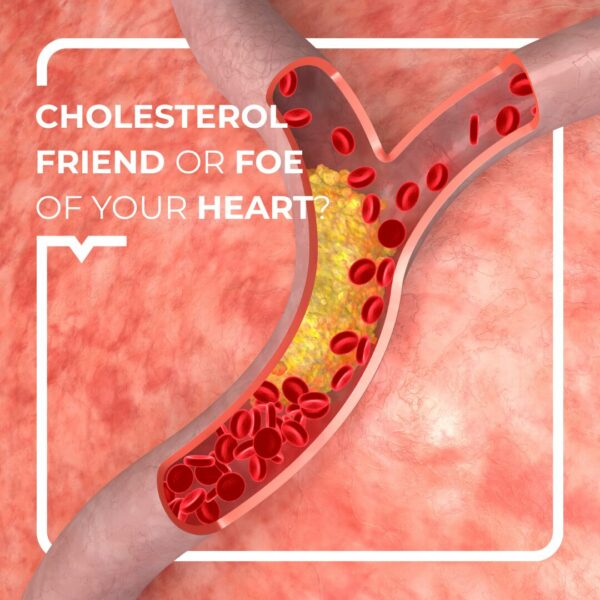
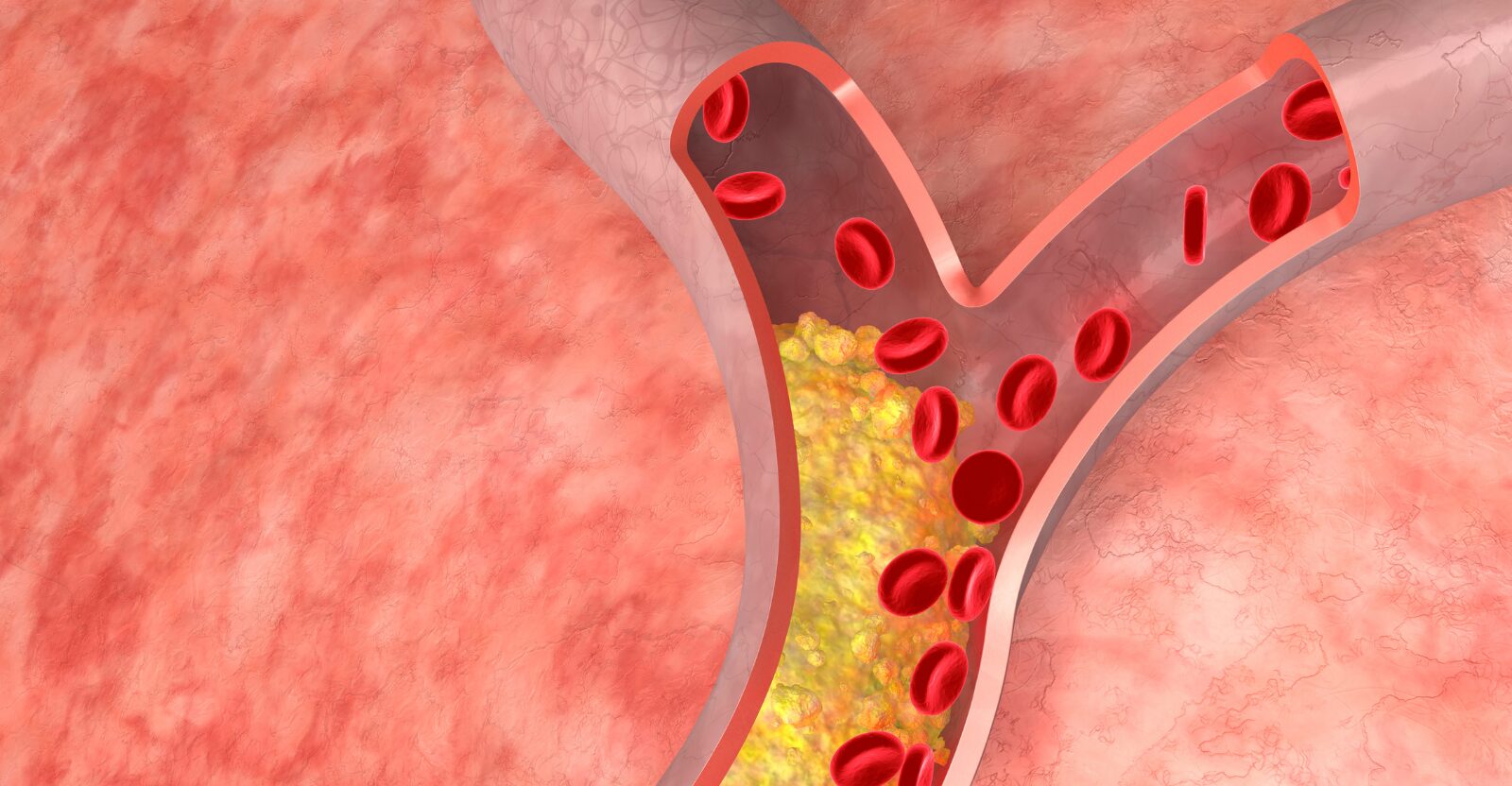
- LDL (Low-Density Lipoprotein) – the “Bad”: This carrier transports cholesterol from the liver to the cells. When there is too much LDL, it can accumulate and become oxidised. It then deposits on the walls of the arteries, forming plaques (atherosclerosis) that harden the vessels and may block blood flow. It is the main risk factor for heart attacks and strokes.
- HDL (High-Density Lipoprotein) – the “Good”: HDL acts like a cleaner. It collects excess cholesterol from tissues and arteries and carries it back to the liver, where it is eliminated. However, recent studies suggest that while very low HDL levels are a risk factor, very high levels do not necessarily offset excessively high LDL.
III – When should you be concerned? Risk factors
A high total cholesterol level (generally above 190 mg/dL or 2.0 g/L) is a warning sign, but it should be analysed in detail.
Several factors influence these levels:
- Lifestyle: An unbalanced diet, physical inactivity, smoking, and excess weight disrupt lipid balance.
- Genetics (Familial Hypercholesterolaemia): Some people are born with a genetic defect that prevents the liver from removing LDL efficiently. This leads to very high levels from a young age and an increased risk of early heart disease. If members of your family experienced heart problems before the age of 55–60, speak to your doctor.
Triglycerides should also be monitored. These are another form of fat stored for energy. High levels, often linked to excess sugar intake, alcohol consumption, and being overweight, also increase cardiovascular risk.
IV – What can you do? Prevention and Treatment
The good news is that you can take action. The first line of defence is adopting healthy lifestyle habits.
The ideal plate for your heart
The goal is no longer simply to eliminate dietary cholesterol, but to reduce harmful fats that stimulate your body’s production of LDL.
- To reduce:
- Saturated fats: red meat, processed meats, butter, full-fat cheese
- Trans fats: industrial processed foods, biscuits, snacks
- To prioritise:
- Fibre: Fruit, vegetables, pulses, and whole grains.
- Healthy fats: Olive oil, nuts, and oily fish rich in omega-3 (such as sardines and salmon), to be eaten 2 to 3 times per week.
Move more
Regular physical activity (at least 30 minutes of brisk walking or other moderate activity on most days) helps raise “good” HDL cholesterol and improves overall cardiovascular health.
Medical treatment
For some patients, particularly those with familial hypercholesterolaemia or a history of heart disease, lifestyle changes may not be enough. Medications such as statins may be prescribed to effectively lower LDL and protect your arteries.
Cholesterol is essential, but its balance is delicate. There are often no visible symptoms of high levels until a cardiovascular event occurs. This is why regular screening through blood tests is essential to understand your lipid profile.
Take care of your heart, it is the engine of your life.
Book your appointment with our doctors