Marco is suddenly overcome by cold sweats at work. His heart starts racing, he struggles to breathe and feels discomfort in his chest. Immediately, a terrifying thought crosses his mind: “I’m having a heart attack.” The fear of dying becomes overwhelming. Yet, after a visit to the emergency department, the verdict is clear: his heart is fine. Marco experienced a panic attack.
But how can we tell the difference between a life-threatening emergency and an intense stress reaction? Why do the symptoms feel so similar?
Hello, this is Dr Joy!
In this article, we will separate fact from fiction between myocardial infarction and panic attacks. We will look at the warning signs of the heart, how panic manifests itself, and most importantly, what to do if you or someone close to you experiences these symptoms.
The aim: to give you the tools to react calmly and quickly.
I – Myocardial infarction: a life-threatening emergency
A myocardial infarction, or heart attack, is caused by the blockage of a coronary artery (a vessel supplying blood to the heart) by a blood clot. Deprived of oxygen, the heart muscle begins to undergo necrosis — in other words, it starts to die. This is a medical emergency requiring immediate contact with 112, as the faster the treatment, the better the chances of recovery.
Typical symptoms include:
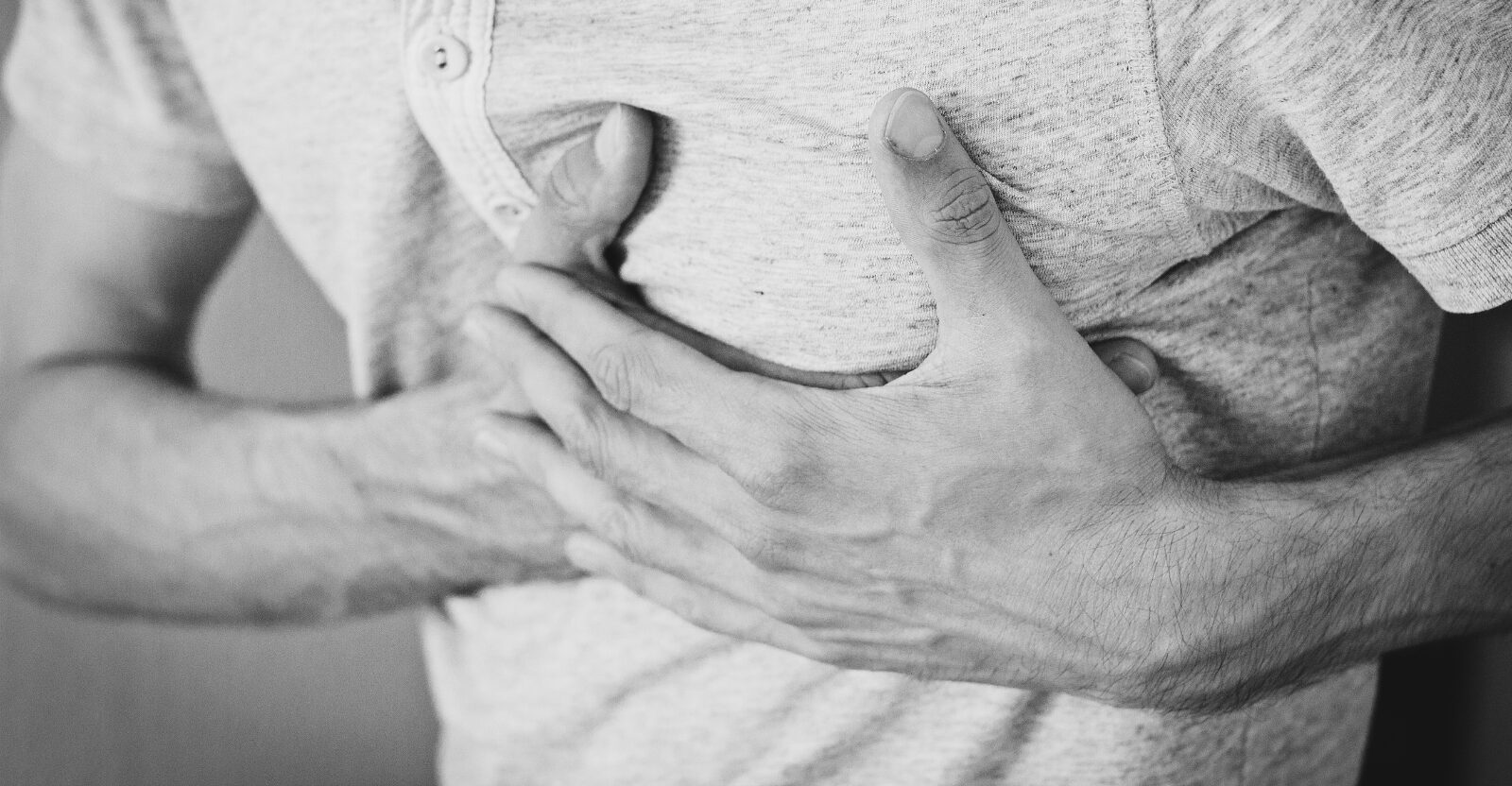
- Oppressive chest pain: a tightening or crushing sensation in the chest.
- Radiating pain: pain may spread to the jaw, neck, left arm, shoulders or back.
- Other signs: cold sweats, nausea, vomiting, paleness and intense anxiety.
Important for women: symptoms may be different and more subtle, sometimes limited to shortness of breath, nausea and pain in the upper abdomen (central stomach area).
II – Panic attack: frightening but not physically dangerous
A panic attack is a sudden surge of intense fear or distress, which may occur spontaneously or following a trigger (stress, fatigue, phobias). Although the experience can be deeply distressing, it is not physically dangerous.
Why is confusion so common?
Panic attacks mimic cardiac symptoms, which increases fear and anxiety.
Common features include:
- Similar physical symptoms: rapid heart rate, chest pain or discomfort, difficulty breathing, sweating and nausea.
- Neurological signs: trembling, dizziness, numbness or tingling sensations.
What often distinguishes anxiety is its strong psychological component:
- Fear of dying or losing control
- A feeling of detachment from oneself or the surroundings (a sense of unreality)
- A sense of impending catastrophe
III – How to tell the difference and how to react
Distinguishing between these two conditions is important but can be challenging due to overlapping symptoms.
- Context matters: heart attacks are often preceded by warning signs (such as pain during exertion) days or weeks beforehand. Panic attacks may be linked to an emotional context, although they can also occur without an obvious cause.
- When in doubt, treat it as an emergency: if you experience oppressive chest pain, especially if you have risk factors (smoking, diabetes, high blood pressure, high cholesterol), do not take any risks. Treat it as an emergency.
Only a doctor can make a reliable diagnosis.
- For the heart: tests such as an electrocardiogram (ECG) and blood tests (troponin levels) can confirm or rule out a heart attack.
- For anxiety: diagnosis is often made by exclusion, once physical causes (cardiac, pulmonary, etc.) have been ruled out.
Whether it concerns the heart or anxiety, effective treatments exist. Heart attacks are treated by reopening the blocked artery (medication, stent placement) followed by cardiac rehabilitation. Panic disorders are very effectively managed through psychotherapy (such as cognitive behavioural therapy), relaxation techniques and, in some cases, medication.
In all situations, never hesitate to seek medical advice, your health is worth clearing any doubt.
Book your appointment now!This information is not a substitute for medical advice.
You must seek the advice of your doctor or another qualified health professional with any questions you may have regarding your health condition.
Sources: