As we go through the winter months, a period during which the incidence of influenza usually reaches its peak (between December and February), it is essential to take stock of Influenza A. This acute respiratory infection often causes concern due to its high level of contagiousness and the severity of its symptoms.
At Alegria Medical Centre, we are committed to informing you so that you can better protect yourself and your loved ones.
I – What is Influenza A?
Influenza A is a disease caused by the Influenza type A virus. Unlike seasonal flu, which is a general term covering several types of viruses (A and B), Influenza A specifically refers to the subtypes of this virus, the most well-known being H1N1 and H3N2.
The Influenza A virus is generally considered more aggressive than type B and has a higher capacity for mutation. This explains why it has been responsible for pandemics in the past, such as the one in 2009. Today, these viruses circulate seasonally.
II – How can the symptoms be recognised?
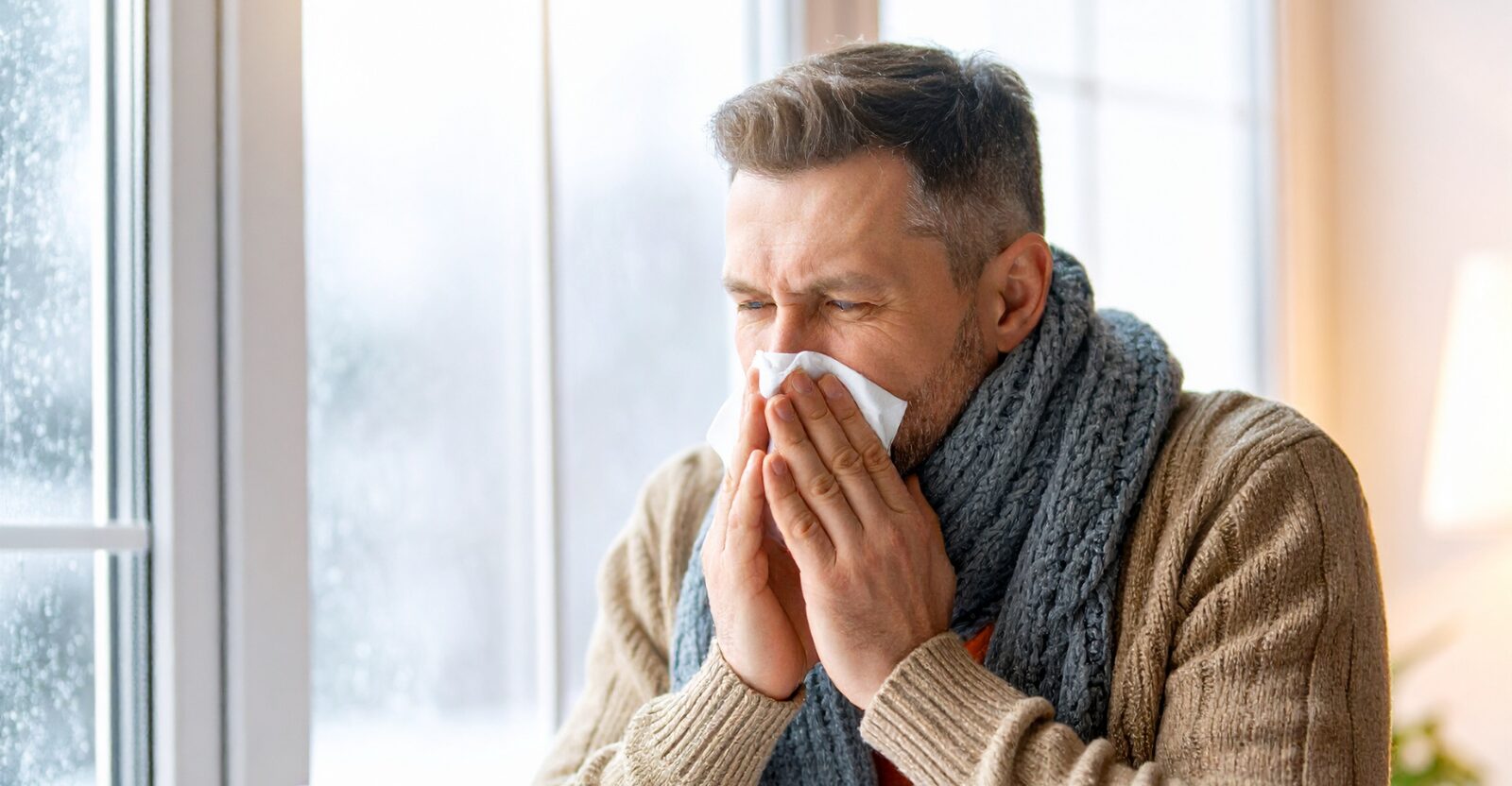
The symptoms of Influenza A are very similar to those of common flu, but they often appear suddenly.
Be alert to the following signs:
- High fever, cough and sore throat
- Muscle aches, headaches and extreme fatigue
- Occasionally, digestive symptoms such as diarrhoea or vomiting may occur
The incubation period (the time between infection and the onset of illness) is usually around 2 days.
III – A highly contagious illness
Influenza A spreads very easily through droplets released into the air when an infected person coughs, sneezes or speaks. The virus then enters through the respiratory tract (mouth or nose). It is important to note that transmission can occur even before the first symptoms appear.
IV – Who is at risk?
Although influenza can affect anyone, certain groups require increased vigilance as the risk of complications is higher.
These include:
- Children under two years of age
- Pregnant women (particularly in the second and third trimesters) and mothers up to two weeks after childbirth
- People suffering from chronic illnesses (respiratory, cardiac, kidney disease, diabetes)
- Patients with weakened immune systems
V – Prevention and treatment
Prevention remains the best strategy. The following essential protective measures are recommended:
- Frequent handwashing with soap and water
- Covering the mouth and nose with a tissue or the elbow when coughing or sneezing
- Wearing a mask
- Regularly ventilating enclosed spaces and avoiding touching the face
- Annual vaccination remains a key preventive measure, especially for at-risk groups, as the virus mutates frequently.
If you become ill, treatment mainly aims to relieve symptoms: rest, drink plenty of fluids and take fever-reducing medication such as paracetamol.
VI – When should you seek medical advice?
In most cases, recovery is quick with rest. However, you should consult a healthcare professional if:
- You experience difficulty breathing or chest pain
- Symptoms worsen or do not improve
- You belong to a high-risk group (pregnancy, chronic illness)
Do not hesitate to contact us if you have any questions or wish to check your vaccination status.
Book your appointment now!This information is not a substitute for medical advice.
You must seek the advice of your doctor or another qualified health professional with any questions you may have regarding your health condition.
Sources: