
Cholesterol: Friend or foe of your heart?
Cholesterol: real danger or misconception? Discover what it really hides and how to effectively protect your heart.
Read more

International medical consultations center located in the heart of Lisbon

Cardiology is the medical discipline specialized in studying, diagnosing, and treating disorders of the heart and cardiovascular system. The cardiologist plays a crucial role in preventing and treating heart diseases such as cardiac arrhythmia, heart failure, myocardial infarction, arterial hypertension, and other cardiovascular diseases.
The heart doctor uses tools such as the echocardiogram, electrocardiogram and holter to assess the structure and function of the heart or to detect any abnormalities.
Cardiology involves close collaboration with other healthcare professionals to prevent and ensure overall well-being.
Monitoring and treatment of a preexisting heart condition
Heart health check-up
Evaluation of concerning symptoms (chest pains, palpitations)
Post-cardiac intervention follow-up
Advice and prevention particularly when risk factors are present
INFORMATION: The cardiologist interviews the patient to find out the reason for the consultation, personal, medical, and family history, occupational and daily activities, and lifestyle habits.
INVESTIGATIONS: The cardiologist will carry out an ECG or electrocardiogram unless you have one that is less than 4 months old. The ECG is an ultrasound imaging technique used to assess the structure and function of the heart.
PHYSICAL EXAMINATION: Blood pressure measurement, pulse assessment, listening to the heart rhythm, and checking for any potential swelling (oedema).
DIAGNOSIS AND TREATMENT: The physician shares the diagnosis with the patient. He may prescribe treatment or additional tests (X-rays, lab analyses). Regular follow-up is sometimes necessary.
Book an appointment
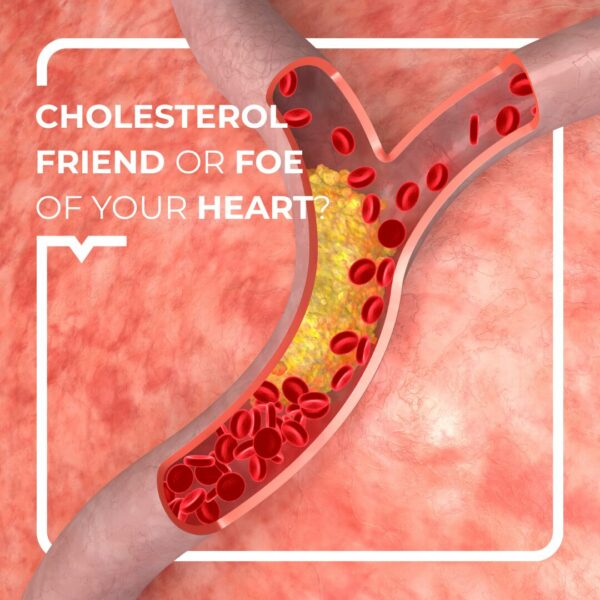
Cholesterol: real danger or misconception? Discover what it really hides and how to effectively protect your heart.
Read more
Can cortisol cause weight gain? Discover how the stress hormone affects your weight and how to rebalance your body.
Read more
Spotting or bleeding between periods: how can you tell the difference between a harmless sign and a symptom that should raise concern?
Read more