
Cholesterol: Friend or foe of your heart?
Cholesterol: real danger or misconception? Discover what it really hides and how to effectively protect your heart.
Read more

International medical consultations center located in the heart of Lisbon

Immuno-allergology is a medical specialty focused on the study, diagnosis, and treatment of conditions related to dysfunction of the immune system, particularly allergic diseases.
This discipline manages a variety of conditions that may affect the skin, respiratory, or digestive systems, often impacting patients’ quality of life. The allergist works with both children and adults to identify the responsible allergens and to propose appropriate therapeutic or preventive strategies.
Respiratory allergies (allergic rhinitis, bronchial asthma)
Food allergies
Allergic reactions to medications
Skin conditions of allergic origin
Angioedema (swelling) or urticaria
Need for paediatric allergy assessment
Implementation of desensitisation (immunotherapy/vaccines)
INFORMATION GATHERING: The immuno-allergologist begins with a thorough interview to understand the context of symptom onset, identify potential triggers (environment, diet, lifestyle), and review family history of allergies.
PHYSICAL EXAMINATION: The specialist conducts a targeted clinical examination based on the patient’s complaints, checking, for example, the condition of the skin or the respiratory tract.
ADDITIONAL TESTS (if necessary): To confirm the diagnosis, the doctor often performs skin tests in the clinic or orders specific blood tests.
DIAGNOSIS AND PLAN: Once the allergens are identified, the specialist proposes a personalised treatment plan, which may include allergen avoidance, symptomatic medication, or specific immunotherapy (allergy vaccines) to treat the underlying cause of the condition.
Book an appointment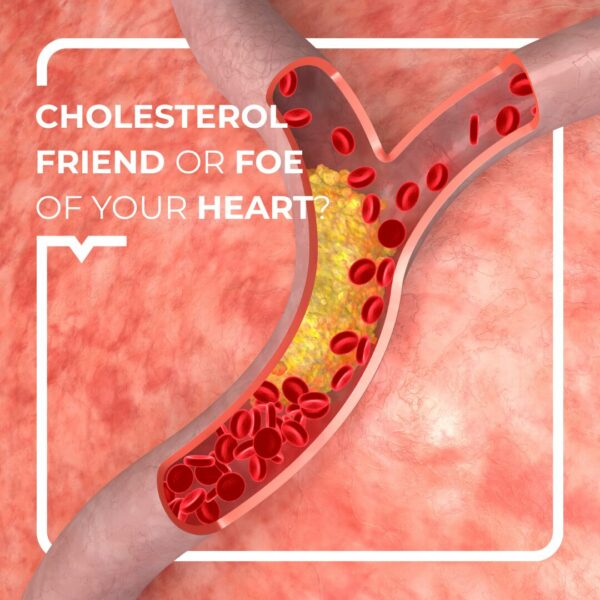
Cholesterol: real danger or misconception? Discover what it really hides and how to effectively protect your heart.
Read more
Can cortisol cause weight gain? Discover how the stress hormone affects your weight and how to rebalance your body.
Read more
Spotting or bleeding between periods: how can you tell the difference between a harmless sign and a symptom that should raise concern?
Read more