
Cholesterol: Friend or foe of your heart?
Cholesterol: real danger or misconception? Discover what it really hides and how to effectively protect your heart.
Read more

International medical consultations center located in the heart of Lisbon


Paediatrics is the specialty dedicated to the child. Visits to the paediatrician are initially weekly for the first 2 weeks of life, then monthly until 6 months, then quarterly from 9 to 24 months. After 2 years, an annual visit is sufficient.
In addition to keeping the vaccination calendar up to date, the paediatrician supervises the child’s growth and proper physical and mental development.
They also play a role in the prevention, advice, diagnosis, and treatment of illnesses.
New born follow-up
Breastfeeding counselling
Monitoring the growth and development of the child
Child nutrition
Monitoring the vaccination calendar
Child health check-up
Monitoring of chronic diseases
Treatment of specific diseases
INFORMATION: The paediatrician interviews the parents and the child, if old enough to speak, to find out the reason for the consultation, allergies, personal, medical, and family history, daily activities, and lifestyle.
PHYSICAL EXAMINATION: Height and weight measurements, auscultation with a stethoscope, palpation of the abdomen, ENT check, and, if necessary, temperature measurement. In addition to this, they assess the child’s cognitive functions, psychological state, and level of development.
DIAGNOSIS AND TREATMENT: The paediatrician shares their diagnosis with the parents and the child, if old enough to understand. The paediatrician may prescribe treatment or additional tests (X-rays, analyses) or refer the child to a specialist or therapist. A follow-up appointment is often scheduled.
Book an appointment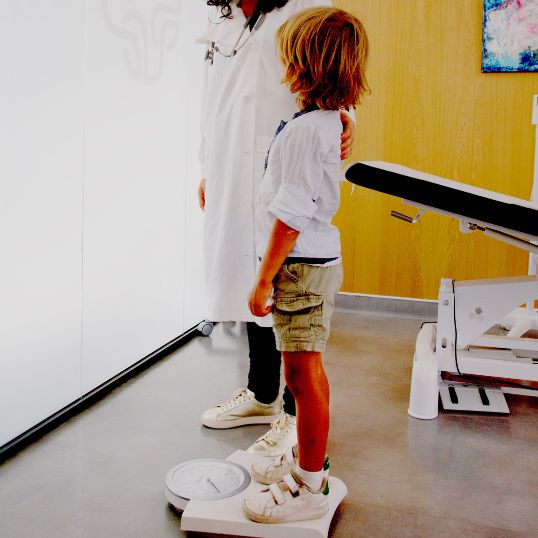
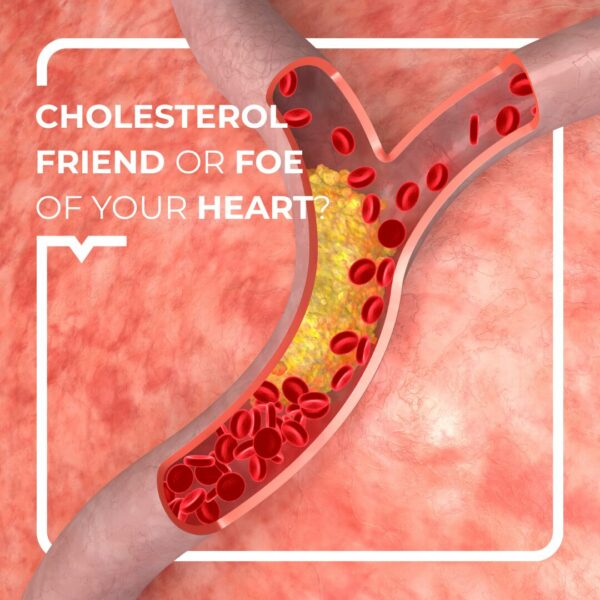
Cholesterol: real danger or misconception? Discover what it really hides and how to effectively protect your heart.
Read more

Can cortisol cause weight gain? Discover how the stress hormone affects your weight and how to rebalance your body.
Read more

Spotting or bleeding between periods: how can you tell the difference between a harmless sign and a symptom that should raise concern?
Read more