Cholesterol: Friend or foe of your heart?
Cholesterol: real danger or misconception? Discover what it really hides and how to effectively protect your heart.
Read more

International medical consultations center located in the heart of Lisbon

Brief therapies encompass solution-focused therapeutic approaches centred on well-being, lasting change, and the activation of the patient’s personal resources.
They focus more on how to get better than on why things are going wrong, with the goal of achieving concrete results in a limited number of sessions.
The therapist and the patient work together towards a specific goal, within a supportive framework that respects each individual’s pace.
Depending on the issue and the patient’s needs, the therapist may use one or more methods:
These tools are adapted, combined, or alternated according to each individual.
Stress, anxiety, panic attacks
Sleep disorders
Phobias and fears
Traumatic shocks (bereavement, accidents, childhood traumas)
Emotion management
Lack of self-confidence
Addictions (tobacco, sugar, alcohol…)
Preparation for exams, competitions, or public speaking
Pain management
Temporary malaise or relationship difficulties
FIRST SESSION: An in-depth conversation to understand the request, life context, and to define a clear therapeutic goal. An initial practice may be offered.
FOLLOW-UP SESSIONS: Sessions last about 1 hour. The most suitable method is used to support change.
On average, 2 to 5 sessions are sufficient to observe significant results.
Book an appointment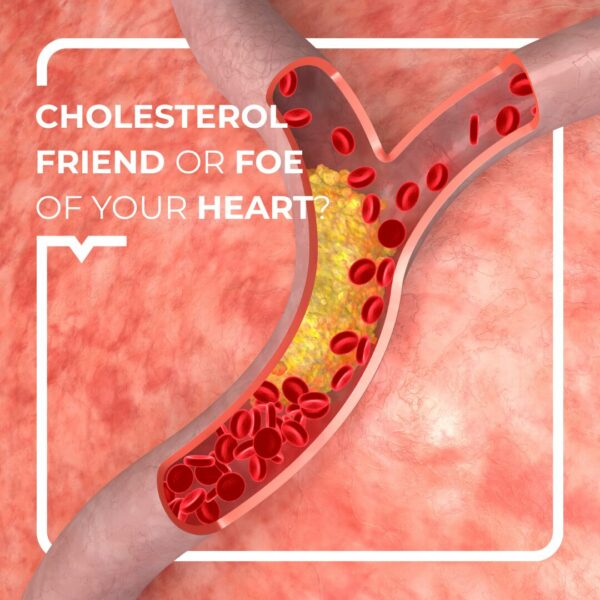
Cholesterol: real danger or misconception? Discover what it really hides and how to effectively protect your heart.
Read more

Can cortisol cause weight gain? Discover how the stress hormone affects your weight and how to rebalance your body.
Read more
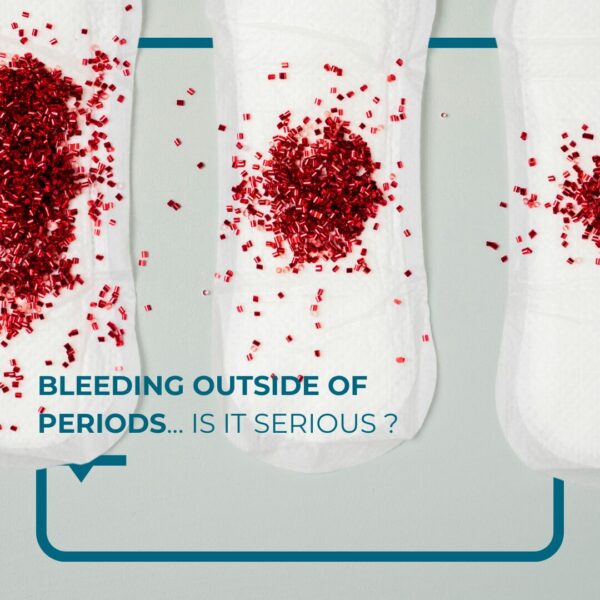
Spotting or bleeding between periods: how can you tell the difference between a harmless sign and a symptom that should raise concern?
Read more