
Bleeding outside of periods… Is it serious ?
Spotting or bleeding between periods: how can you tell the difference between a harmless sign and a symptom that should raise concern?
Read more

International medical consultations center located in the heart of Lisbon
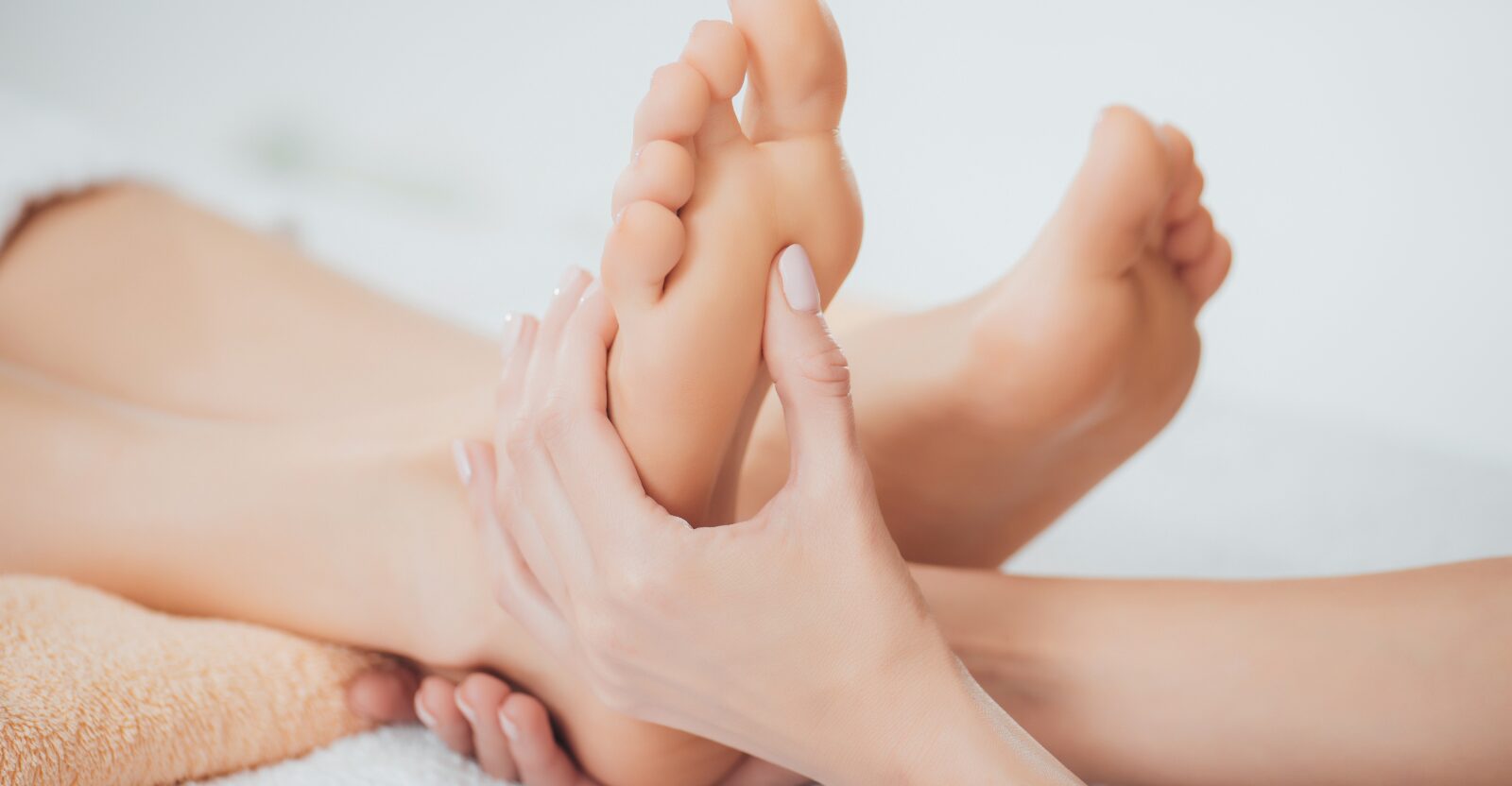
Foot reflexology is a pressure-point technique which regards the foot as a faithful reflection of the human body, including all its organs and glands. It relies on stimulating 7,200 nerve endings located on the soles of the feet, where each point corresponds to a specific organ or part of the body.
Originating from Chinese medicine, it aims to activate the body’s natural self-healing processes and restore homeostasis, a state of overall balance. Its main goals are to promote relaxation, improve blood circulation, and alleviate physical symptoms linked to stress. It is also used as a complementary wellness therapy during cancer treatment, to enhance both psychological and physical well-being.
Obstipation
Headaches and migraines
Painful periods
Stress
Anxiety
Depression
Fatigue
Sleep disorders
Hormonal imbalances (menopause, thyroid, etc.)
Skin problems (eczema, psoriasis, acne)
Diabetes (improved blood circulation, relief from tingling sensations)
Complementary wellness during oncological treatments
INITIAL CONSULTATION: The session begins with a discussion to understand the reason for the visit, the patient’s medical history, and lifestyle habits.
RELAXATION AND TREATMENT: The patient lies down while gentle, soothing movements are applied to the legs and feet to encourage relaxation. The practitioner then targets the relevant reflex zones using specific crawling or pressure techniques.
DURATION AND FOLLOW-UP: A session lasts around one hour. In general, 5 to 6 sessions are recommended for lasting results.
Book an appointment
Spotting or bleeding between periods: how can you tell the difference between a harmless sign and a symptom that should raise concern?
Read more
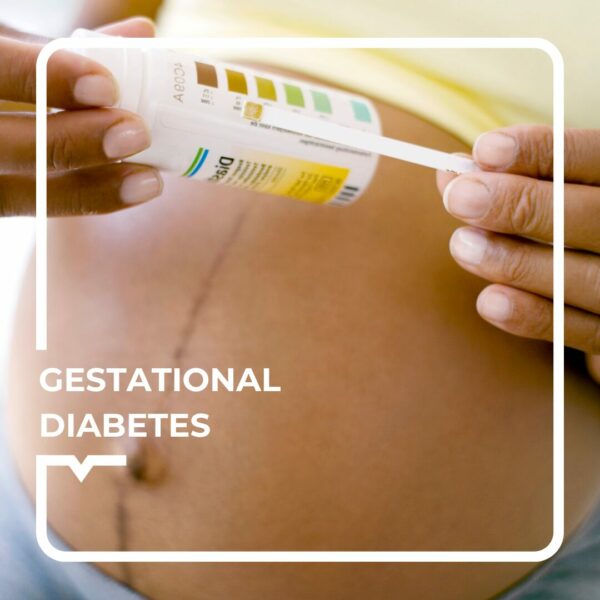
Gestational diabetes: when and how to perform the oral glucose tolerance test (OGTT) during pregnancy.
Read more
Learn how to recognise the symptoms, understand the differences and know when to seek emergency help.
Read more