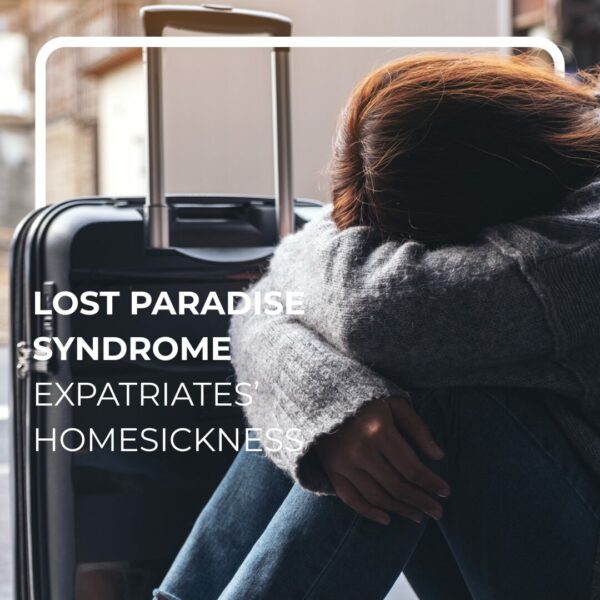
Sofia arrived in Lisbon in September feeling like she was finally starting the life she had always dreamed of. Sunshine, pastel de nata pastries, and the Atlantic Ocean just around the corner.
But six months later, she wakes up exhausted, isolated, and unable to explain why she is no longer happy in this “paradise.”
She feels guilty. After all, she had prepared for this. She had left everything behind for this opportunity. And yet, something feels wrong. But what? A Temporary Feeling of Homesickness or Genuine Psychological Distress?
Hello, Dr Joy here!
In this article, we will explore what psychologists sometimes refer to as the “Lost Paradise Syndrome”: a paradox experienced by many expatriates who move to their dream destination, only to find themselves suffering in silence. The goal is simple: to understand why expatriation can challenge your mental health, identify the warning signs to watch for, and provide practical tools to help you protect your well-being.
I – LISBON: PARADISE… AND ITS CRACKS
Lisbon is one of the most sought-after destinations for expatriates in Europe. Its mild climate, relatively affordable cost of living, high quality of life, and cultural openness make it highly attractive.
However, this attractiveness also creates enormous expectations. Expats often arrive with an idealized image of their destination, shaped by social media, travel blogs, and enthusiastic testimonials.
The reality of everyday life abroad, however, is very different from a holiday experience.
This gap between dream and reality is one of the primary sources of psychological distress among expatriates.

II – WHAT EXPATRIATION REALLY DOES TO YOUR BRAIN
Moving to a new country is not simply a logistical change. It involves a profound restructuring of your social, emotional, and personal environment.
Here is what often happens, sometimes without you even realizing it:
- Loss of Social Anchors: Your support network, family, close friends, trusted colleagues, can disappear overnight. Rebuilding these connections takes time, energy, and often involves disappointment along the way.
- “Grieving Your Home Country” Phenomenon: Leaving means saying goodbye to a part of yourself. What psychologists call “migratory grief” affects both forced migrants and voluntary expatriates alike: you mourn a culture, a language, and a familiar way of life.
- Cultural Adaptation Fatigue: Navigating a foreign language every day, deciphering different social norms, dealing with unfamiliar administrative systems, these daily micro-efforts accumulate and drain cognitive and emotional resources more than most people expect.
- Paradox of Loneliness: You can be surrounded by people, living in a vibrant city, and still feel profoundly alone. This is one of the most debilitating forms of isolation because it remains invisible to others.
III – LOST PARADISE SYNDROME: SIGNS TO RECOGNIZE
While not an official medical diagnosis, this syndrome describes a very common experience among expatriates, particularly during their first 6 to 18 months abroad.
You may be experiencing it if you notice:
- A persistent feeling of sadness without any obvious reason
- Shame or guilt (“I should be happy here”)
- Unusually high irritability
- Difficulties with concentration or memory
- Social withdrawal (avoiding gatherings or cancelling plans)
- Sleep disturbances or changes in appetite
- Overwhelming homesickness or recurring thoughts about “what you left behind”
Individually, these symptoms may seem harmless. However, when they accumulate and persist, they can develop into depression or anxiety and should not be ignored.
IV – DR JOY’S PRESCRIPTION: HOW TO PROTECT YOUR MENTAL HEALTH IN LISBON
The goal is not to alarm you, but to empower you. Here are practical strategies supported by research and adapted to the realities of expatriate life.
- NAME WHAT YOU ARE EXPERIENCING: Recognize that adaptation is a process, not a failure. Simply putting words to your emotions can be therapeutic.
- BUILD A GROUNDED ROUTINE: Daily stability, consistent wake-up times, physical activity, and regular meals, creates an essential sense of psychological security during periods of transition.
- MAINTAIN CONNECTIONS WITH LOVED ONES: Regular video calls with friends and family back home are not a sign of weakness. They are a vital pillar of emotional balance.
- JOIN EXPAT COMMUNITIES: Lisbon has a thriving expatriate ecosystem. These groups allow you to share experiences, reduce isolation, and sometimes realize that you are far from alone.
- SEEK PROFESSIONAL SUPPORT: If symptoms persist for more than two or three weeks, do not wait. A doctor, therapist, or psychiatrist can help.
At Alegria Medical Centre, you do not need to struggle to find the right words in Portuguese to explain what you are feeling. Our multilingual team is here to listen, understand, and support you exactly where you are in your journey.
“Seeking help is not a sign of weakness. It is an act of clarity and courage.”
If you recognize yourself in Sofia’s story, know that what you are experiencing has a name, an explanation, and solutions.
At Alegria Medical Centre, our therapist supports expatriates through EFT, EMDR, hypnosis, and somatic therapy, a therapeutic approach that integrates talk therapy, physical sensations, breathing, and movement to release stress, anxiety, and trauma stored within the nervous system. These powerful methods can help transform how you feel in a lasting way. Booking an appointment is already a step toward regaining control.
And if you need additional support, Dr Pedro Boto and Dr Rita Avelar provide psychiatric care, because some forms of suffering deserve comprehensive medical treatment.
Expatriation is one of the most enriching human experiences imaginable. But it should never come at the expense of your inner balance.
Lisbon can be your paradise, provided you learn how to truly live there, not merely survive.
Take care of yourself,
Dr Joy
This information is not a substitute for medical advice. You must seek the advice of your doctor or another qualified health professional with any questions you may have regarding your health condition.
Sources:
Book an appointment