Maria lives in Lisbon. This week, she opened her phone and saw the words “hantavirus”, “cruise ship”, “deaths”, and “quarantine” spreading across the media. She thought about her children, her parents, and her neighbors. And she asked herself a simple question: is there any risk for us here in Portugal?
That is exactly the right question to ask.
Hello, this is Dr Joy!
Since early May, hantavirus has been making headlines around the world. Our role is not to alarm you, but to give you the tools to understand what is actually happening, and what it means for you, here in Lisbon.
I – What happened globally: the MV Hondius ship
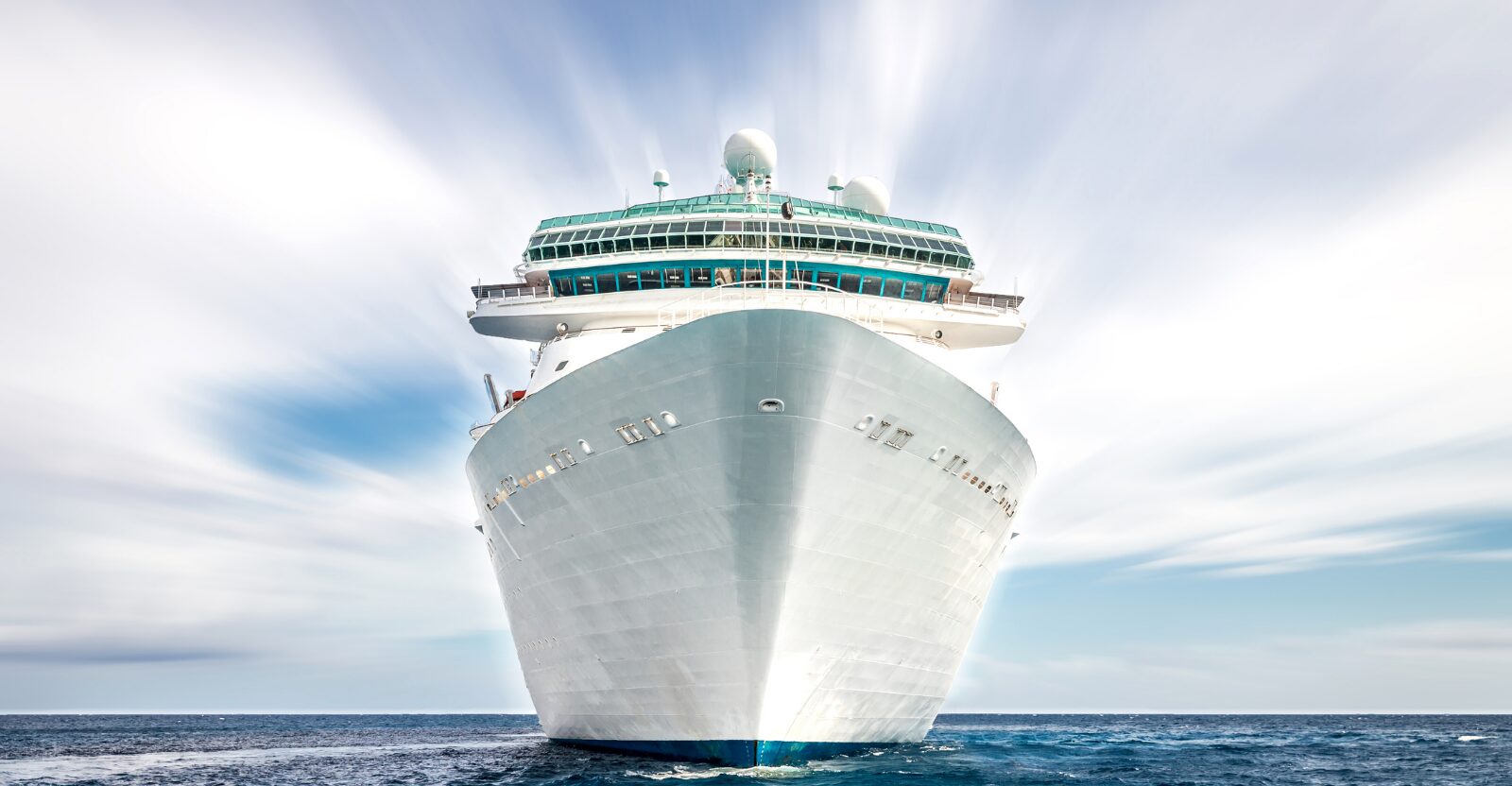
In April 2026, an outbreak of Andes strain hantavirus infection was identified aboard the Dutch cruise ship MV Hondius. As of May 12, there were nine confirmed cases, two suspected cases, and three deaths.
The ship departed Ushuaia, Argentina, on April 1, 2026, with 147 passengers and crew members from 23 nationalities. The first symptoms reported included fever, gastrointestinal disorders, and a severe, sudden-onset cardiopulmonary syndrome, with several patients developing acute respiratory distress.
After approval from the Spanish Ministry of Health, the ship docked in Tenerife on May 10, allowing passengers to be repatriated to six European countries and Canada.
This is a serious international situation, managed through rare global health coordination.
II – And what about Portugal?
Among the passengers on the MV Hondius were nationals from nine European Union countries, including Portugal.
Portuguese passengers were on board. Upon disembarkation, non-Spanish citizens were returned to their respective countries.
Portuguese authorities responded quickly and transparently.
The Directorate-General of Health (DGS) issued guidance for the management of potential suspected cases, stating that the risk for Portugal “remains very low” and that no nationwide preventive measures are required for the general population.
These guidelines define procedures for Portuguese healthcare professionals, including the activation of INEM for the safe transport of suspected cases to reference hospitals within the São José Local Health Unit, including Curry Cabral Hospital for adults and Dona Estefânia Hospital for children.
The Portuguese healthcare system is therefore prepared, and the risk to the general population remains very low.
III – Why Portugal is naturally less exposed?
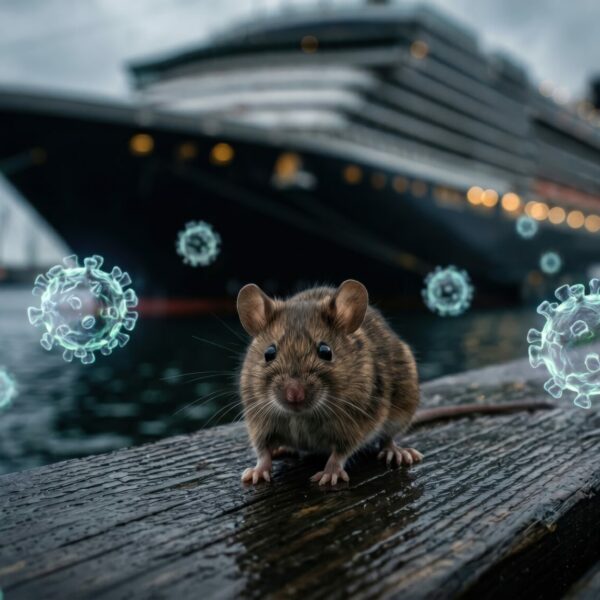
The National Institute of Health Doutor Ricardo Jorge regularly monitors rodent populations in Portugal. To date, no infected animals have ever been detected in the country, nor in Spain. No confirmed human cases of hantavirus have been reported in Portugal.
Climate plays a major role: hantaviruses tend to circulate more in temperate to colder regions. With its Mediterranean climate and Atlantic influences, Portugal does not provide ideal conditions for the circulation of the most dangerous strains.
This is not a coincidence. It is geography and climate.

IV – What makes the Andes strain different?
The Andes virus is the only known hantavirus capable of human-to-human transmission. This transmission occurs through close and prolonged contact and may involve airborne exposure.
Although rare, human-to-human transmission has generally required direct, prolonged contact in enclosed spaces, including exposure to saliva, respiratory secretions, or other bodily fluids from an infected person.
This is not a virus that spreads like the flu in a supermarket or metro system. The ship environment, confined space, prolonged contact, and potential exposure to rodents in South America, was particularly favorable for transmission.
V – Should we be worried about a global outbreak?
The Director-General of the WHO has stated that there is no indication suggesting the start of a larger outbreak, while not excluding the possibility of isolated new cases.
According to experts, the virus does not spread easily in the general population, does not undergo rapid mutations that change its behavior, and requires very specific exposure conditions to infect humans.
This is not the next COVID-19. Specialists are clear about this.
VI – Good practices, here and now
If you have not traveled aboard the MV Hondius, your risk is extremely low.
However, general hantavirus prevention measures, especially for strains present in parts of Europe, remain relevant throughout the year:
- Air out enclosed spaces (basements, storage rooms, sheds) before entering
- Wear gloves and a mask when cleaning areas potentially exposed to rodents
- Avoid dry sweeping contaminated areas
- Limit rodent access to homes and storage spaces
If you develop symptoms such as fever, muscle pain, or severe fatigue in the weeks following potential exposure to rodents or their droppings, consult a healthcare professional and mention the context.
VII – At Alegria, accurate information is part of care
In the face of global health news that may cause concern, our role is neither to minimize nor to amplify, but to provide clarity.
Portugal remains vigilant and well prepared, and the risk to its residents is currently very low.
Continue living normally, with awareness, not fear.
At Alegria, we are here to answer your questions, in consultations and in everyday life.
See you soon at Alegria,
Dr Joy

This information is not a substitute for medical advice.
You must seek the advice of your doctor or another qualified health professional with any questions you may have regarding your health condition.
Sources: